
The evolution of the textile importer-exporter profession: from 1991 to today
From express sourcing to omnichannel strategies: 30 years of adaptability in the textile industry
(By Jean-Marc Terrier, Chief Executive Officer – Dutexdor Group)
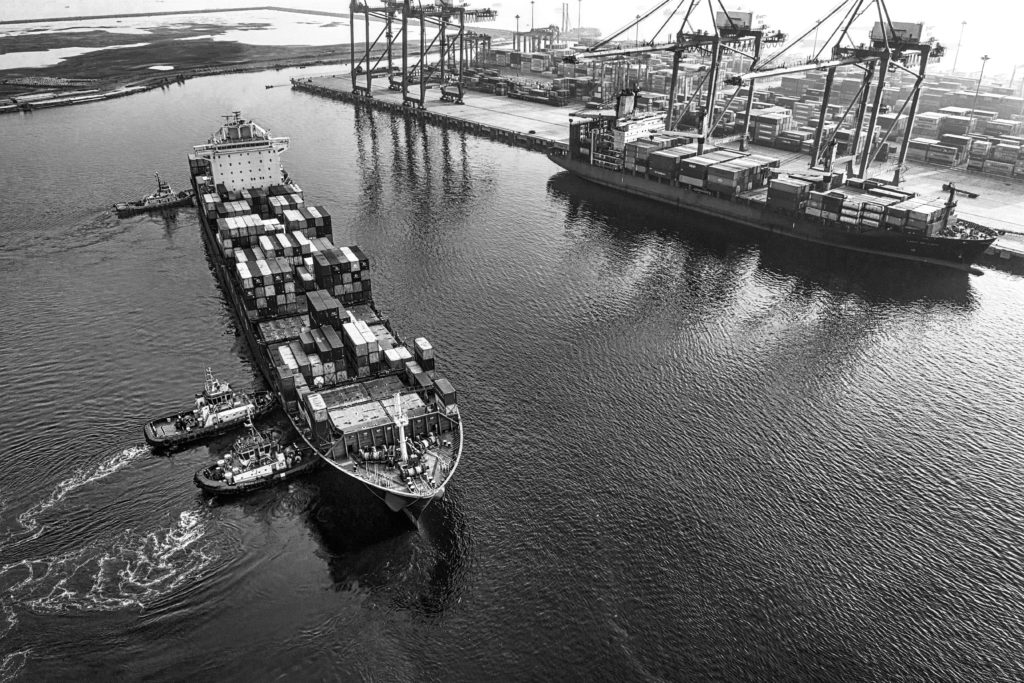
Textile import-export, a sector in constant flux
For more than 30 years, the textile and accessories import-export business has undergone a profound transformation. The Dutexdor Group, which has been operating in this market since 1991, has successfully adapted to these changes to remain a key player in the sector. Here we look back at the evolution of a business that has seen its environment disrupted by globalization, digitalization, and the growing demands of distributors.
The 1990s: the golden age of textile distribution
In 1991, textile distribution in France was very different from what it is today. The market was fragmented, consisting mainly of independent stores and local chains. The arrival of hypermarkets and the development of shopping centers gradually restructured the textile retail landscape between 1992 and 2005.
During this period, the priority was to find merchandise quickly and in large quantities. We were fortunate to already have agents in China and factories in Turkey and Italy at that time, ensuring an exemplary response to distributors' needs. It was a time when speed and abundance made all the difference.
2000-2010: The arrival of fierce competition and globalization
China's entry into the WTO in 2001 shook up the global market. With the removal of Chinese quotas in 2005, consumer prices collapsed, putting unprecedented pressure on distributors' and importers' margins.
Faced with this economic reality, retailers had to rethink their business model by developing their own private labels and importing directly. Dutexdor then adapted its offering to meet these new expectations:
- Diversification of product ranges (socks, lingerie, textiles)
- Integration of EDI management to optimize the flow of goods
- Establishment of new sourcing channels (Pakistan, Bangladesh, Cambodia, India, Indonesia, Vietnam)
- Social and qualitative audit of suppliers to ensure high standards
- Investment in a high-performance logistics platform, ensuring delivery within 48 hours
2010-2024: consolidation and new opportunities
The acceleration of digitalization and the diversification of distribution channels have led the Dutexdor Group to readjust its model. We have focused on creating our own brands to offer products with a strong identity, such as NO PUBLIK and TWINDAY, while relying on recognized licenses such as AIRNESS and RICA LEWIS.
At the same time, we have secured new distribution networks, particularly in the sports sector, and strengthened our presence in the field with dedicated sales teams. The signing of iconic brands such as TEDDY SMITH and DEGRE7 is further proof of our ability to constantly reinvent ourselves.
Conclusion: adaptability that makes the difference
The textile import-export sector has undergone major upheavals over the past three decades. While many players have disappeared due to a failure to adapt, Dutexdor has been able to evolve, anticipate trends, and adjust its business model to meet market demands.
Today, our expertise allows us to offer a competitive, diversified, and quality-controlled range of products, while remaining true to our DNA.
The textile import-export business has changed, and so have we. But one thing remains certain: our commitment to providing our customers with affordable, trendy products of exemplary quality will never waver.