
Textile Licensing: Why This Market Is Booming (and Why Not All Strategies Are Created Equal)
(By Bernardo COCILOVO, Sales Director – DUTEXDOR Group)
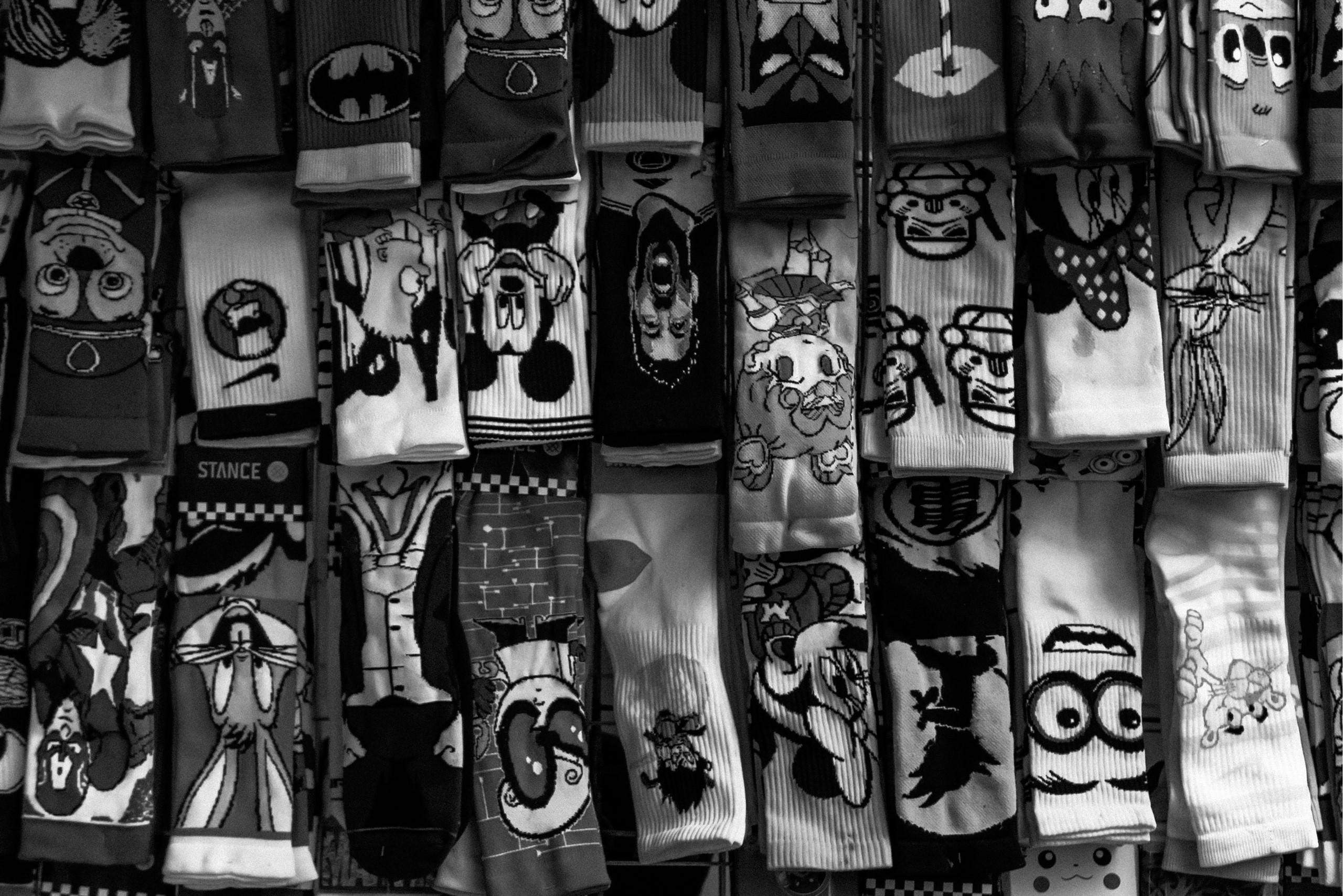
The textile licensing market is growing rapidly despite the crisis in the ready-to-wear industry
Amid a crisis in France’s textile sector, marked by declining purchasing power and changing consumer habits, one segment is bucking the trend: thetextile licensing market.
An increasing number of ready-to-wear brands, textile retailers in supermarkets and hypermarkets, and specialized groups are turning tofashion licensingas a growth driver.
Why? Because a license allows you to build on a brand that is already well-known and firmly established in consumers’ minds.
In a saturated market, this brand recognition becomes an immediate competitive advantage.
But this rapid growth raises a key question:
How can a textile license be developed without compromising the brand?
Why are ready-to-wear licenses so popular today?
The success oflicensing in the ready-to-wear industrycan be attributed to a profound shift in the market.
In the face of the rise of fast fashion and an increasingly standardized market, consumers are looking forrecognizable brands with a history and a sense of authenticity.
Textile licensing meets this need by offering a distinct brand identity that is often already deeply rooted in culture.
In the textile retail sector in France, particularly in supermarkets and department stores, the license allows for:
· speed up time to market,
· ensure the collection of revenue,
· and increase visibility at the point of sale.
But this apparent simplicity masks a more complex reality.
Textile licensing: the risk of an overly opportunistic approach
The rapid growth ofthe fashion licensing markethas led to a surge in new projects.
In some cases, licensing becomes merely a commercial tool used to generate short-term sales volume.
The problem is simple: a license is not a product.
It is abrand with its own DNA, territory, and history.
Without a clear strategy, product consistency, or respect for its identity, a license quickly loses value.
And in an increasingly demanding apparel market, this loss is immediate.
The DUTEXDOR Strategy: Developing a Sustainable Textile License
Atthe DUTEXDOR Group, we take a different approach to developingtextile licenses in France.
We are not looking to exploit a brand.
We are looking to build it for the long term.
This starts with a deep understanding of its core identity. Every brand we work with—whether it’sAirness, DDP, or Teddy Smith—is treated as a standalone brand project.
Next, we tailor the strategy to the apparel retail sector.
Developing a license for mass-market retailers or specialty retailers does not mean simplifying the product offering. On the contrary, it involves designing specific collections that are consistent with the distribution channel and consumer expectations.
Finally, we place a high priority on product quality.
In the mass market, price is a constraint. But at DUTEXDOR, it must never be used as an excuse.
Developing a textile brand: a matter of consistency and vision
The success of a textile license today depends on a delicate balance.
You must be able to:
· respect the brand identity,
· adapt to market conditions,
· and offer a product that is affordable yet desirable.
In an environment where consumers are becoming increasingly discerning, consistency is becoming a key factor for success.
Conclusion: Textile licensing is a powerful tool… provided it is used effectively
Thetextile licensing marketwill continue to grow in the coming years.
It addresses a real need in the industry: the need to organize the supply side and restore meaning to consumption.
But not all strategies are created equal.
AtDUTEXDOR, we firmly believe that a license is not a shortcut.
It is a commitment.
A commitment to a brand, to a market, and above all to consumers.