
Mass-market fashion: The French people’s primary wardrobe remains the textile industry’s forgotten segment
(By Bernardo COCILOVO, Sales Director – DUTEXDOR Group)
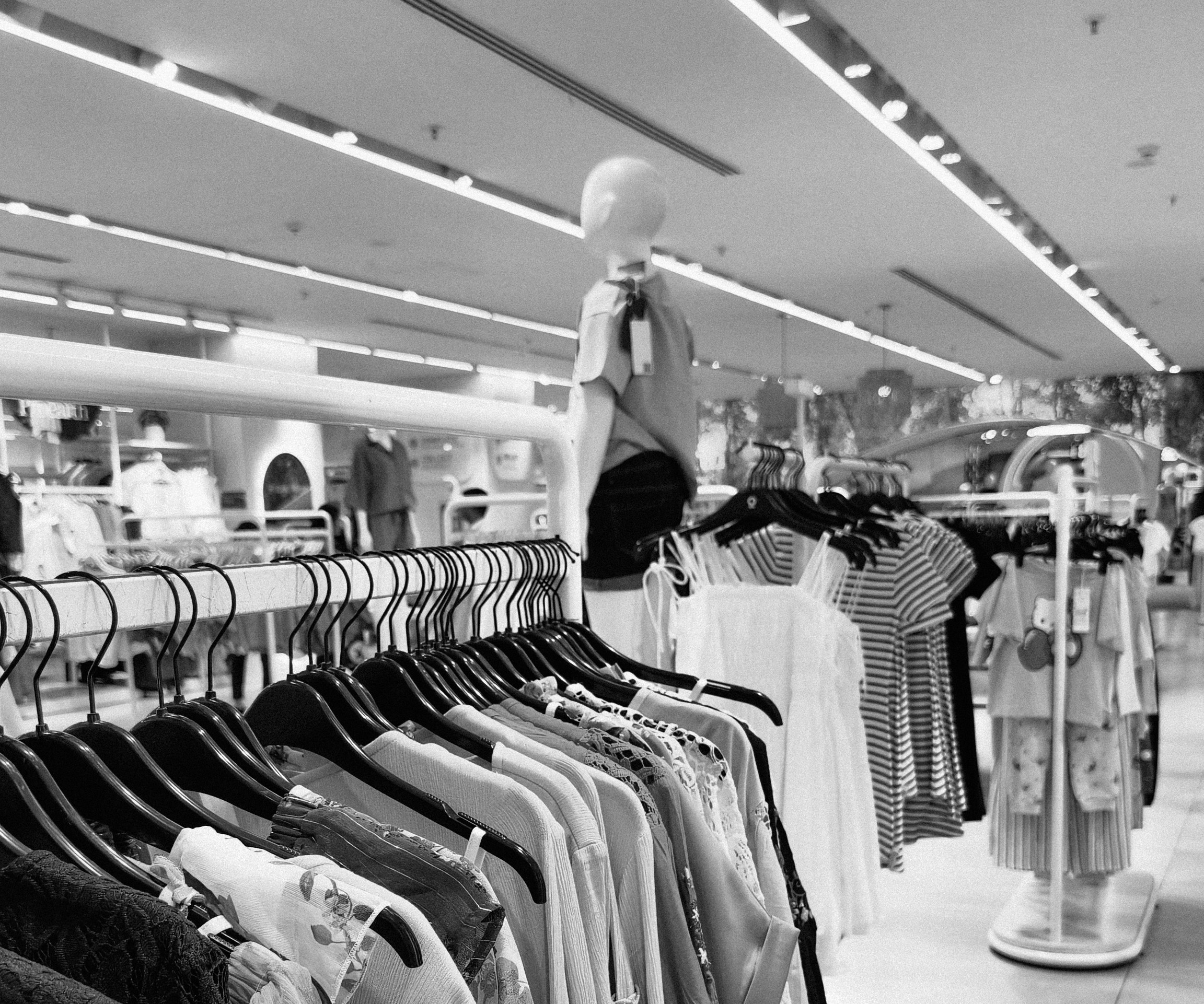
While discussions about fashion tend to focus on luxury, designers, or fast fashion, the true driving force behind the French market is largely absent from these conversations: mass-market fashion. This sector dresses millions of French people every day, accounts for the majority of sales volume, and represents a major economic, social, and industrial issue.
The fashion trend no one talks about… is actually the one the French wear the most
Every season, the same images reappear.
Fashion shows in Paris, Milan, and New York. The latest collections from luxury brands. Exclusive collaborations. Emerging brands. Trends touted as must-haves.
The fashion industry knows how to tell stories that inspire people to dream.
It says much less about what the French actually wear.
Because behind the runways lies another reality: that ofmass-market fashion, sold in hypermarkets, supermarkets, and specialty stores. This is accessible fashion, designed to meet everyday needs, that supports families, children, athletes, and working professionals—far more than it simply follows fleeting trends.
This trend is not a fringe phenomenon.
Today, it serves as the true foundation of the French apparel market.
The French textile market relies primarily on affordable products
The data published by Refashion provide a way to gauge the scale of the phenomenon.
In2024,3.5 billion items of clothing, shoes, and home textileswere placed on the French market—nearly10 million new products every day. Clothing alone accountedfor nearly2.9 billion items.
But another figure deserves more attention.
According to Refashion’s latest survey,71% of new clothing items purchased in France are now in the entry-level price range, with an average price of less than10 euros.
In other words,nearly three out of every four items of clothing purchased are in the affordable market segment.
This fact is rarely highlighted when discussing the French textile industry.
Yet it illustrates a simple reality: mass-market fashion has become the primary point of contact between consumers and brands.
Mass-market and fast fashion: two models that should no longer be confused
One of the main misconceptions surrounding the accessible apparel market is the confusion between it andfast fashion.
However, these two models are based on very different principles.
Fast fashion is based on a constant acceleration of new collections, rapid product turnover, and impulse buying.
Mass-market fashion has another goal: to make clothing accessible to as many people as possible through local retail networks where purchases are primarily driven by a practical need.
A pair of socks before the start of the school year.
New underwear.
A pair of pants to replace the ones that have become too small.
A sports T-shirt I bought before vacation.
These purchases account for the bulk of French textile consumption. They are neither the result of impulse buying nor a constant search for novelty. They meet everyday needs.
This distinction is essential to understanding the challenges facing the sector.
Accessibility has become as much a social issue as an economic one
The debate surrounding fashion often pits price against quality.
The reality is more nuanced.
In France, thewealthiest 20% of households have a standard of living approximately 4.5 times higher than that of the poorest 20%.
In this context, clothing remains an expense category subject to constant trade-offs.
For millions of households, buying a piece of clothing is not an act of leisurely consumption.
It's a necessity.
To focus solely on “moving upmarket,” “premium,” or “luxury” would therefore mean ignoring a large portion of French consumers.
Affordable fashion is not a niche market.
It is a concrete response to household purchasing power.
Mass-market production is also a form of industrial expertise
Behind a T-shirt sold for a few euros or a pair of socks bought during the weekly grocery run lies a particularly demanding value chain.
Creating an affordable product isn't just a matter of lowering its price.
We must design relevant collections, select the right materials, manage international sourcing, comply with an ever-increasing number of regulations, ensure quality, optimize logistics, and guarantee that products are always available on the shelves.
This equation is one of the most complex in the textile industry.
For more than thirty years, theDUTEXDOR Grouphas been operating at the very heart of this ecosystem. Our expertise lies in partnering with major retail chains while developing products that remain affordable without compromising on quality, comfort, or respect for the identity of the brands we represent.
Because a mass-market product should never be thought of as a cheap product.
It deserves the same high standards as a premium product.
The future of fashion will also involve the mass market
The major challenges facing the textile industry—environmental transition, eco-design, traceability, sustainability, and even partial reshoring—cannot be addressed by premium brands alone.
They must also cover the market that accounts for the majority of the volume.
How can we produce more sustainably while remaining affordable?
How can we improve quality without excluding some consumers?
How can we offer sustainable fashion that is compatible with the constraints of purchasing power?
These issues are likely to be one of the main challenges in the coming years.
And they directly affect players in the mass market.
The True Face of French Fashion
French fashion is not limited to fashion shows, luxury brands, or store windows on the main avenues.
It is also built every day in hypermarkets, specialty stores, sporting goods stores, and neighborhood shops.
This is where millions of French people buy the clothes they wear every day.
For more than thirty years, theDUTEXDOR Grouphas been contributing to this reality with an unwavering conviction: making fashion accessible does not mean compromising on quality.
Because mass-market fashion is not an alternative to high fashion.
It is, quite simply, its greatest expression.